


News & Events
What Is Fiber Dyed Denim? How Pre-Spin Color Application Reduces Footprint
For sustainability directors, sourcing managers, and brand teams evaluating denim suppliers, understanding fiber dyeing matters. It is one of the few denim manufacturing methods that meaningfully reduces water consumption, chemical use, and effluent without sacrificing fabric quality or commercial viability. This guide explains what fiber dyed denim is, how it is made, how it compares to conventional dyeing methods, and what brands should look for in a supplier.
What is fiber dyed denim?
Traditional denim production dyes either the finished fabric (piece dyeing) or the spun yarn (yarn dyeing, including the classic rope dyeing process used for indigo denim). In both cases, colour is applied after spinning, which means dye must penetrate already-formed yarn structures. This requires more water, more dye, more chemicals, and produces more effluent.
Fiber dyeing reverses the sequence. The raw fibre is coloured first, then spun into yarn, then woven into fabric. Because the dye has direct access to individual fibres before they are locked into yarn structures, colour penetration is uniform throughout the cross-section. The denim that results has its colour built in rather than applied on top.
How is fiber dyed denim made?
The fiber dyed denim manufacturing process follows five stages, with the critical difference at stage two:
Stage 1 — Fibre selection. Raw cotton, recycled cotton, TENCEL Lyocell, Circulose, LYCRA EcoMade, or blended sustainable inputs are sourced and prepared.
Stage 2 — Pre-spin colour application. The selected fibre is dyed in its raw, unspun state. Because the dye reaches individual fibres directly, less dye and water are needed to achieve full colour saturation. This is where the environmental advantage compounds.
Stage 3 — Spinning. The pre-dyed fibres are spun into yarn. The colour is already locked into the fibre cross-section, so no further dyeing is needed at the yarn stage.
Stage 4 — Weaving. Coloured yarn is woven into denim fabric across the mill's standard construction range — rigid, stretch, slub, and performance variants.
Stage 5 — Finishing. The fabric goes through standard finishing processes including sanforising, mercerising, and any required washes, but with significantly less variability to manage, since the colour was set at stage two.
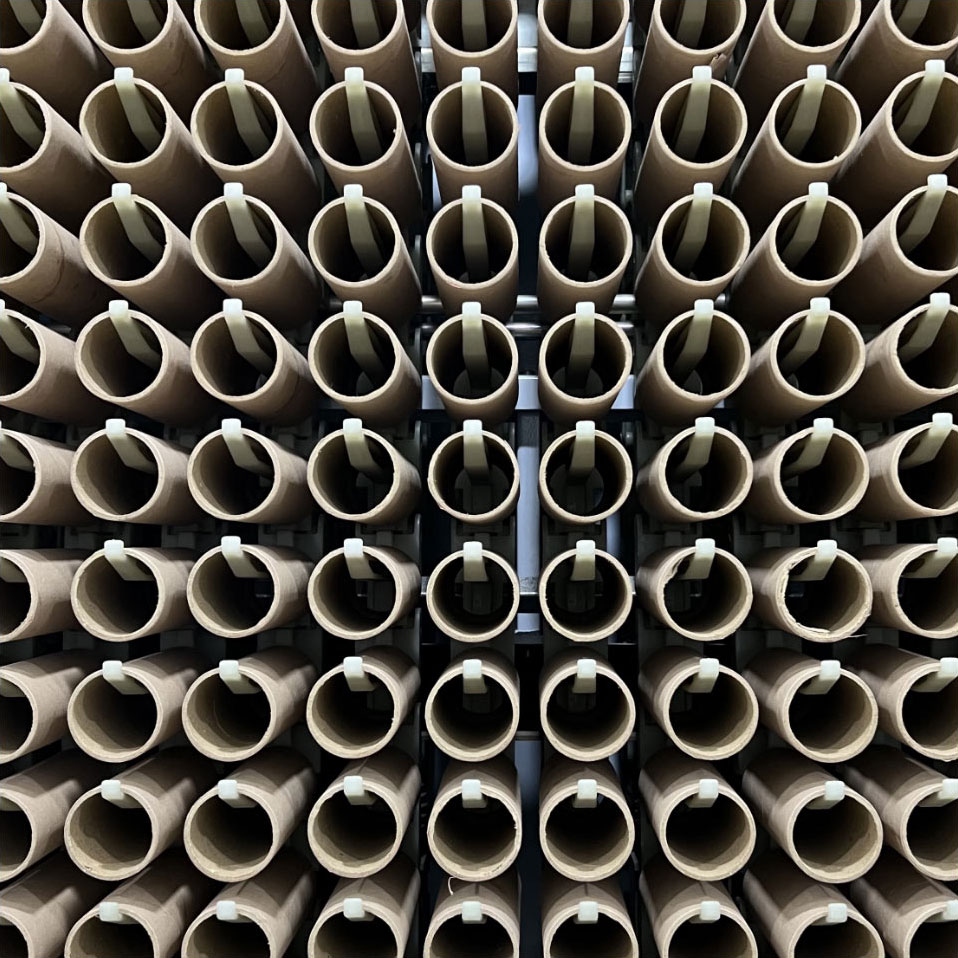
The critical difference is what happens at stage two. In yarn dyeing, including rope dyeing, fibre has already been spun into yarn before colour is applied, so dye primarily affects the yarn's outer surface. This is called ring dyeing, and it is actually desirable for classic indigo denim because it produces the characteristic fading that defines authentic denim. In fiber dyeing, dye fully penetrates each individual fibre before spinning, so colour stays consistent throughout the yarn and into the finished fabric. Different aesthetics, different sustainability profiles.
Fiber dyed vs yarn dyed vs piece dyed: a comparison
Piece dyeing applies colour after the fabric is woven. The fabric is fed through dye baths, then rinsed, set, and finished. It is the simplest method but produces uneven colour penetration and the highest water and chemical consumption per metre. Piece dyeing is rare in commercial denim manufacturing today, used mostly for plain dye colours where indigo fading is not required.
Yarn dyeing, most commonly rope dyeing for indigo denim, dyes the yarn after spinning but before weaving. Rope dyeing produces the characteristic ring-dyed structure that gives classic indigo denim its fading behaviour, and remains the industry standard for authentic indigo programmes. However, it is water- and chemical-intensive, particularly for indigo, which requires reduction agents like hydrosulfite to fix the dye.
Fiber dyeing applies colour at the fibre stage. It uses less water and fewer chemicals per kilogram of finished yarn, achieves more uniform colour penetration, and produces less effluent. Its trade-off is that fiber dyed denim does not produce the high-contrast fading patterns of rope dyed indigo, so it is best suited to muted, earth-tone, and non-indigo programmes rather than classic blue denim.
Why fiber dyed denim reduces environmental footprint
Fiber dyeing's environmental advantage comes from four compounding factors. First, dye fixation rates are higher because the dye accesses each fibre individually rather than struggling to penetrate yarn cross-sections, which means less dye is wasted as effluent. Second, water consumption per kilogram of fibre is lower because the process eliminates several intermediate baths required in rope dyeing. Third, chemical use is reduced, particularly the reduction agents and fixatives required for indigo rope dyeing. Fourth, colour consistency is higher, which means fewer batches are rejected and reprocessed, and rework is one of the most under-counted environmental costs in conventional denim production.
When combined with sustainable input fibres including Circulose, TENCEL Lyocell, and recycled cotton, fiber dyed denim becomes one of the lowest-footprint denim constructions commercially available.
What sustainable materials work with fiber dyed denim?
Circulose is a patented material made from 100% textile waste — old garments dissolved and reborn as dissolving pulp used to produce new lyocell or viscose fibres. Its uniform fibre structure makes it well suited to fiber dyeing, and it gives brands certified circular content from a traceable source.
TENCEL Lyocell, produced by Lenzing in a closed-loop process, delivers a silky hand feel, natural drape, and excellent dyeability at the fibre stage. It pairs especially well with fiber dyeing for muted, earth-tone collections.
Recycled cotton, both mechanical and chemical recycling, works in fiber dyeing programmes and is verifiable under GRS (Global Recycled Standard) certification. Because recycled cotton fibres are typically shorter, blending with longer-staple sustainable fibres like TENCEL or Circulose produces consistent fiber dyed yarn quality.
LYCRA EcoMade is a recycled-content elastane that allows fiber dyed denim to be produced in stretch constructions without compromising the sustainability profile. Combined with fiber dyed cotton or recycled cotton blends, it covers the full range of contemporary denim performance specifications.
Which fashion brands should consider fiber dyed denim?
Fiber dyed denim is particularly well suited to brands with measurable sustainability commitments — those reporting under EU Green Deal frameworks, working toward recycled content targets, or evaluating supply chains under EPR (Extended Producer Responsibility) regulations. The water and chemical reductions are measurable and auditable through standard mill reporting.
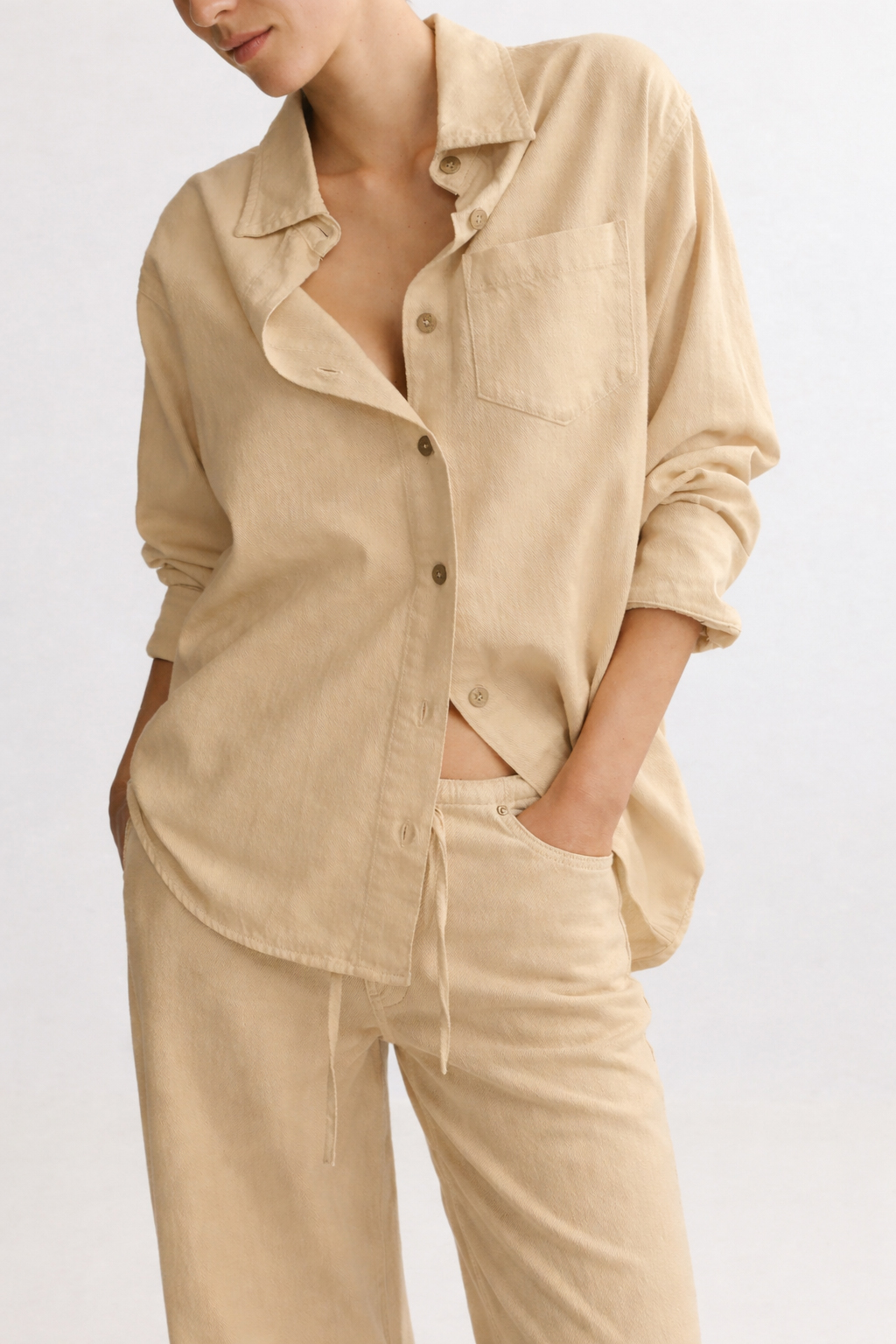
It also suits brands working in earth-tone, muted, or non-indigo colour palettes, where the uniform colour penetration that fiber dyeing delivers becomes a creative asset rather than a limitation. Premium denim brands needing consistent colour across long production runs benefit from the lower batch-to-batch variability of fiber dyed programmes.
Brands sourcing for activewear, workwear, or other performance categories — where stretch, durability, and consistent appearance matter more than classic indigo fading — find fiber dyed denim a natural fit. The same applies to circular fashion brands needing certified recycled or biodegradable inputs that work at commercial scale.
How ADM operates fiber dyed denim at commercial scale
Frequently asked questions about fiber dyed denim
Is fiber dyed denim more expensive than rope dyed denim? Fiber dyeing typically carries a small per-metre cost premium over conventional rope dyeing, but the gap closes when factoring in reduced water and chemical input costs, lower rework rates from better colour consistency, and the sustainability premium most brands now command at retail. For most fiber dyed denim programmes, net cost is competitive.
Does fiber dyed denim fade like classic indigo denim? No. Because colour penetrates fully into each fibre, fiber dyed denim does not produce the high-contrast fading patterns associated with rope dyed indigo. Fading is more gradual and uniform. This is intentional — fiber dyeing is best suited to muted, earth-tone, and non-indigo programmes where consistent shade is desirable. For classic indigo aesthetics, rope dyeing remains the standard.
What constructions can be made with fiber dyed denim? Fiber dyed denim is compatible with virtually any standard denim construction — rigid, stretch (LYCRA, T400, EcoMade), 4-way stretch, slub, and various weights from lightweight to heavy. ADM produces fiber dyed denim across all major construction types at its Karachi facility through the FDCD™ platform.
How can a brand evaluate a fiber dyed denim supplier? Key factors are scale (mills operating at commercial volume vs pilot scale), certifications (GOTS, GRS, OCS, OEKO-TEX), input fibre options (Circulose, TENCEL, recycled cotton, LYCRA EcoMade), sample turnaround time, and integration (mills running fiber dyeing inside a vertically integrated facility deliver more consistent results than those outsourcing dyeing). Request fiber dyeing samples in target shades to evaluate colour consistency and hand feel before committing to a full development cycle.
See the fabric collections behind ADM’s denim manufacturing
From sustainable fiber dyed earth tones to authentic indigo rope dyed denim, explore the fabric collections that ADM brings to global fashion brands.
Related News & Events